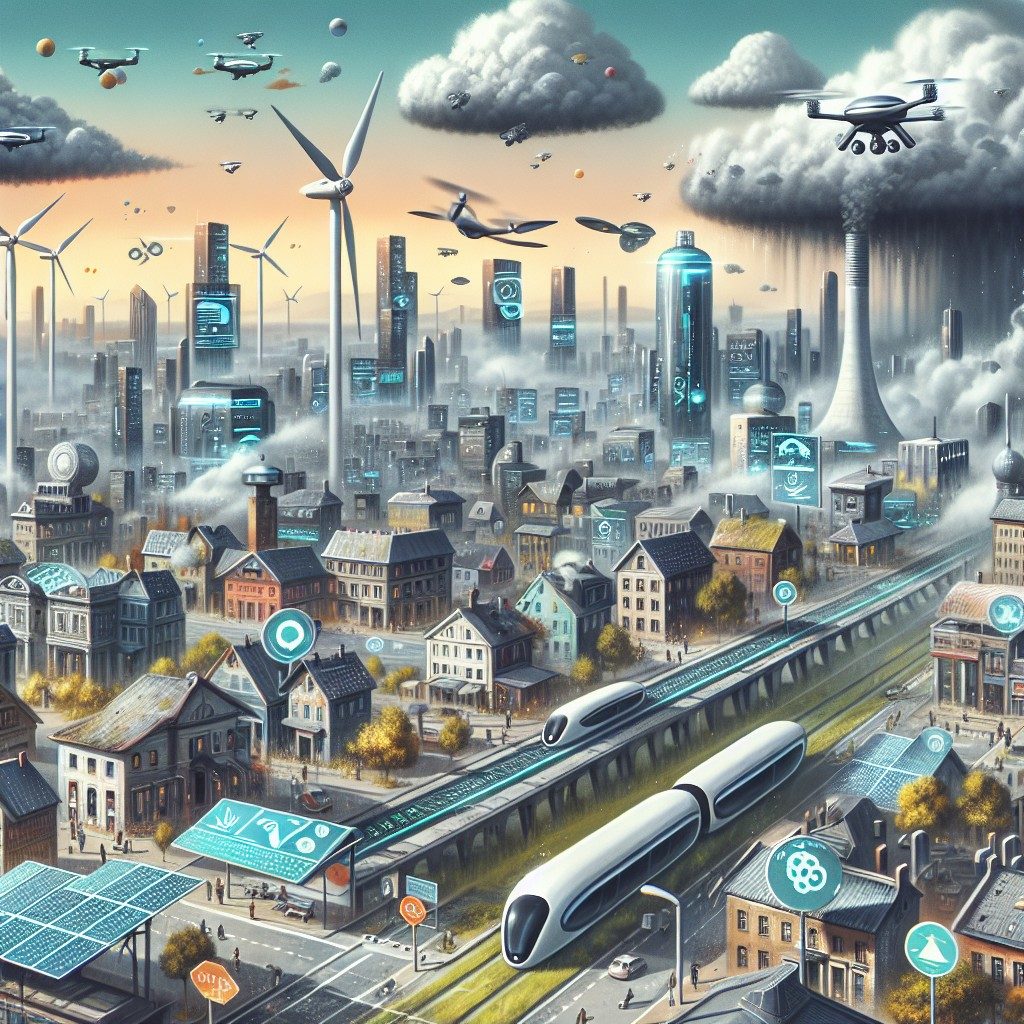
The latest Climate Analysis conducted by leading climate scientists has unveiled alarming projections for the year 2026. As climate change continues to escalate, experts predict unprecedented weather patterns that pose significant threats to ecosystems, economies, and human health across the globe. This analysis brings into focus the urgent need for immediate action to mitigate the looming repercussions of climate change.
The Rise of Extreme Weather Events
According to the latest findings, the frequency and intensity of extreme weather events are expected to increase dramatically by 2026. Hurricanes, heatwaves, and heavy rainfall are slated to occur more frequently, leading to devastating impacts on infrastructure and communities. Recent studies indicate that warmer ocean temperatures contribute to more powerful storms, while shifting precipitation patterns may cause droughts in some regions and flooding in others.
Impact on Agriculture and Food Security
The anticipated weather changes have considerable implications for agriculture and food security worldwide. Crop yields are likely to suffer due to the unpredictability of growing seasons and the increased prevalence of pests and diseases exacerbated by warmer temperatures. Countries dependent on agriculture for economic stability may find themselves facing food shortages, leading to rising prices and potential civil unrest.
Public Health Concerns and Climate Adaptation
With the predicted weather patterns, public health is another critical area of concern reflected in the climate analysis. Heat-related illnesses, respiratory issues from poor air quality, and waterborne diseases are expected to see a surge. Governments and health organizations are called to prioritize climate adaptation strategies, including improved healthcare infrastructure and community preparedness. As societies brace for these changes, the emphasis on proactive measures becomes more pertinent than ever.
Conclusion: A Call for Immediate Action
The Climate Analysis for 2026 highlights the urgency of addressing climate change at all levels of society. As extreme weather patterns become more prevalent, the call to action is clear: invest in sustainable practices, enhance climate resilience, and prioritize global cooperation to combat the climate crisis. Stakeholders from government, industry, and civil society must unite to formulate effective strategies to mitigate risks and adapt to the impending challenges.
Frequently Asked Questions about Climate Analysis
What is the main focus of the Climate Analysis for 2026?
The Climate Analysis for 2026 focuses on predicting extreme weather patterns and their potential impacts on ecosystems, economies, and public health.
How are extreme weather events expected to change by 2026 according to the Climate Analysis?
According to the Climate Analysis, extreme weather events like hurricanes and heatwaves are anticipated to increase in both frequency and intensity by 2026.
What implications does the Climate Analysis suggest for agriculture?
The Climate Analysis suggests that agricultural output will likely be negatively affected, leading to food security issues as weather patterns become more unpredictable.
What health impacts are associated with the predictions in the Climate Analysis?
The health impacts associated with the Climate Analysis include increased heat-related illnesses and a rise in respiratory and waterborne diseases as weather patterns worsen.
Why is immediate action emphasized in the Climate Analysis?
Immediate action is emphasized in the Climate Analysis to address the imminent threats posed by climate change and to implement strategies for mitigation and adaptation.